Fresh Sushi in Northwest Indiana: How to Tell Quality Rolls From the Rest
Choosing a quality sushi restaurant serving Crown Point, IN, can feel overwhelming when most menus look the same from the outside. This guide covers what separates truly fresh sushi from lackluster rolls, so you can walk into any Japanese restaurant in Northwest Indiana with confidence.
What Does "Fresh Sushi" Actually Mean?
Fresh sushi means fish that was properly handled, stored, and prepared as close to service time as possible. Many diners assume "sushi-grade" is a guaranteed stamp of quality, but that term is not federally regulated. What matters is how the restaurant receives, stores, and handles its fish every single day. A sushi restaurant that turns over high fish volume and maintains strict cold-chain practices will consistently outperform one that does not.
The Color Test: What Your Eyes Can Tell You
Color is one of the easiest freshness checks available at the table. Tuna should show a deep, clear red without muddy or brownish patches. Salmon should display bright, vibrant orange flesh with clean white fat lines. White fish should look nearly translucent rather than opaque or cloudy. Dull, washed-out, or discolored fish can signal extended storage. A kitchen that takes pride in visual presentation tends to take equal pride in ingredient freshness.
The Smell Test: What a Good Sushi Restaurant Should Smell Like
High-quality raw seafood has almost no scent at all, or at most a very light, clean ocean aroma. If you notice a heavy, sharp, or sour fishy smell when you walk in, seafood may be oxidizing on the prep counter. Fresh sushi should remind you of a mild sea breeze. That clean-air quality is a strong indicator of how carefully the kitchen handles its proteins.
How Can You Tell If the Rice and Roll Construction Are Quality?
Sushi rice should be sticky and moist but not compressed into a gluey paste. Each grain should remain visible and distinct. Rice that is dry, hard, or clumped may have been sitting in a refrigerator too long rather than prepared fresh for service. Traditional sushi rice is also seasoned with rice vinegar, a touch of salt, and subtle sweetness. Flat, flavorless rice signals less care in preparation.
The roll should hold its shape without being packed so tightly that filling squeezes out on the first bite. Nori should feel slightly crisp rather than soggy. A roll that arrives completely falling apart often indicates improper technique or over-refrigerated rice.
Texture: The Firmness Factor
Fresh fish should feel firm and spring back lightly when pressed. Fish that feels mushy or breaks apart too easily is a red flag. Sashimi sliced with skill should also have a smooth surface from a clean, single cut. Ragged or torn edges can point to dull knives or rushed prep, both of which compromise quality.
Questions Worth Asking Your Server
You do not need to be a sushi expert to ask a few simple questions. Consider asking when the restaurant receives its fish deliveries, whether rolls can be customized, and which fish are available as sashimi that day. Servers at a quality spot should answer these easily. If staff cannot speak to delivery schedules in general terms, that may reflect how the kitchen prioritizes freshness.
Reading the Menu for Quality Signals
A thoughtful sushi menu offers variety and explains enough about each roll for you to make an informed choice. Look for seasonal specials, which signal that the kitchen adjusts to ingredient availability rather than relying on a static product list. For diners across Lake County, IN, variety and turnover matter. A restaurant that maintains a full sushi bar alongside hibachi service and serves consistently high volume tends to cycle through fish inventory quickly, which is one of the most practical freshness indicators for any inland sushi restaurant.
Why the Overall Restaurant Environment Matters
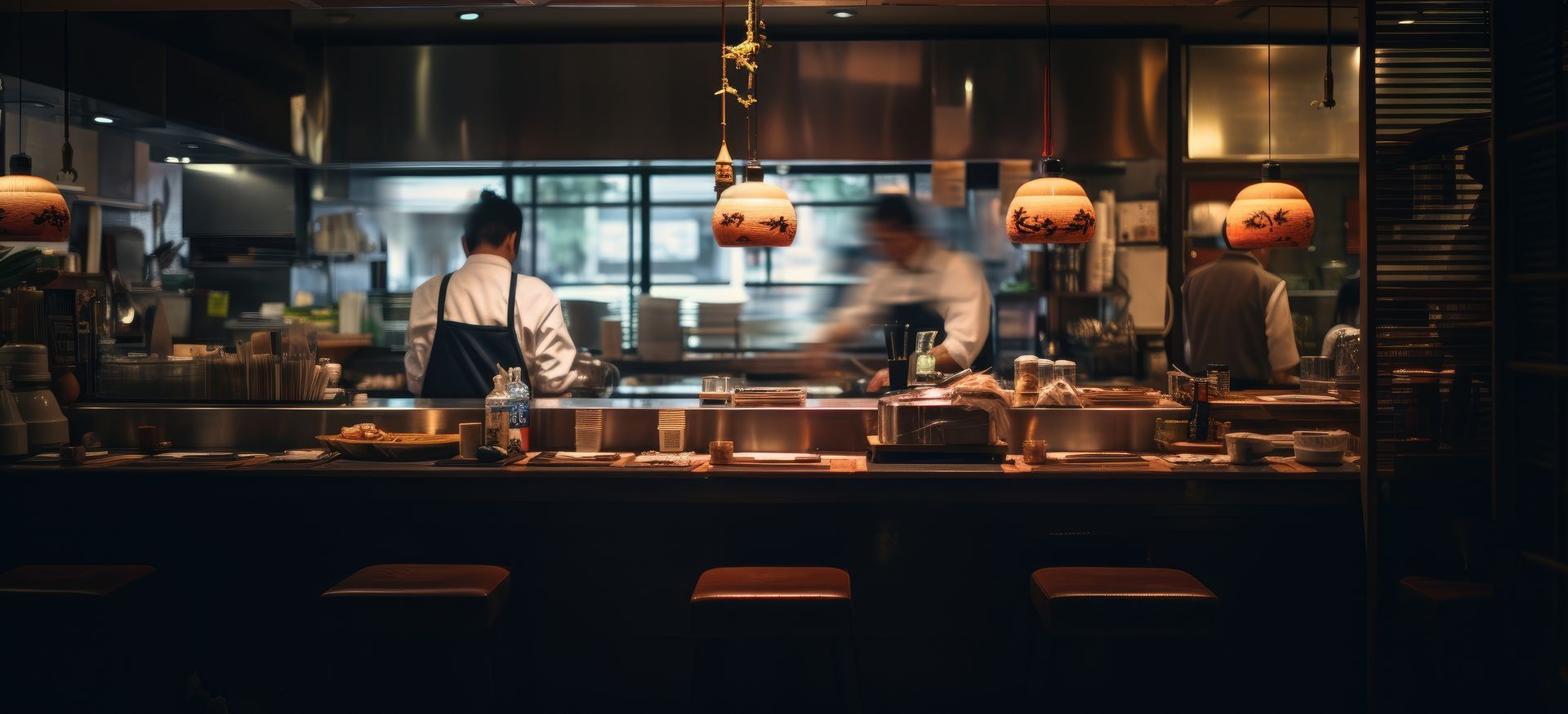
A restaurant that takes pride in its appearance very often takes equal pride in the food it serves. Notice whether the dining room is clean and organized, whether staff seem attentive, and whether dishes arrive with care. These observations reflect the operating standards a kitchen sets for itself from back of house to front. A sloppy dining room rarely pairs with a meticulous sushi bar.
Experience the Difference at House of Kobe - Merrillville
Knowing what to look for is the first step. Finding a sushi restaurant that consistently delivers on every quality marker is the rewarding part. House of Kobe - Merrillville serves fresh sushi alongside specialty rolls, sashimi, and hibachi dining for guests from Crown Point, IN, and across Northwest Indiana, with every dish made to order using high-quality ingredients.
Ready to taste the difference? Explore our fresh sushi options or reserve your table today. To make a reservation now, call (219) 791-9500.
Frequently Asked Questions About Fresh Sushi in Northwest Indiana
What Are the Signs That Sushi Fish Is No Longer Fresh?
Fish past its prime may show dull or brownish coloring, feel mushy instead of firm, and produce a sour or sharp odor. Rice that has dried out or clumped hard is another sign the sushi was not made to order.
Is All Sushi-Grade Fish Actually Fresh Fish?
Not necessarily. "Sushi-grade" is not a federally regulated label in the United States. What matters more is how the restaurant stores, handles, and cycles through its fish inventory. High-volume restaurants with frequent deliveries often offer a more reliable freshness standard than any label suggests.
How Do I Know If a Sushi Restaurant Prioritizes Freshness?
Look for vibrant fish color, a clean-smelling dining room, staff who can speak to delivery schedules, and rice that is freshly prepared. Seasonal specials and high customer volume can also indicate that a kitchen actively manages ingredient quality.
Recent Posts